
Smartphones
Google Play will require three foldable screenshots for new Android apps
The April 2027 rule includes screenshots for two unfolded layouts and one cover screen, along with a minimum standard for apps on foldables.
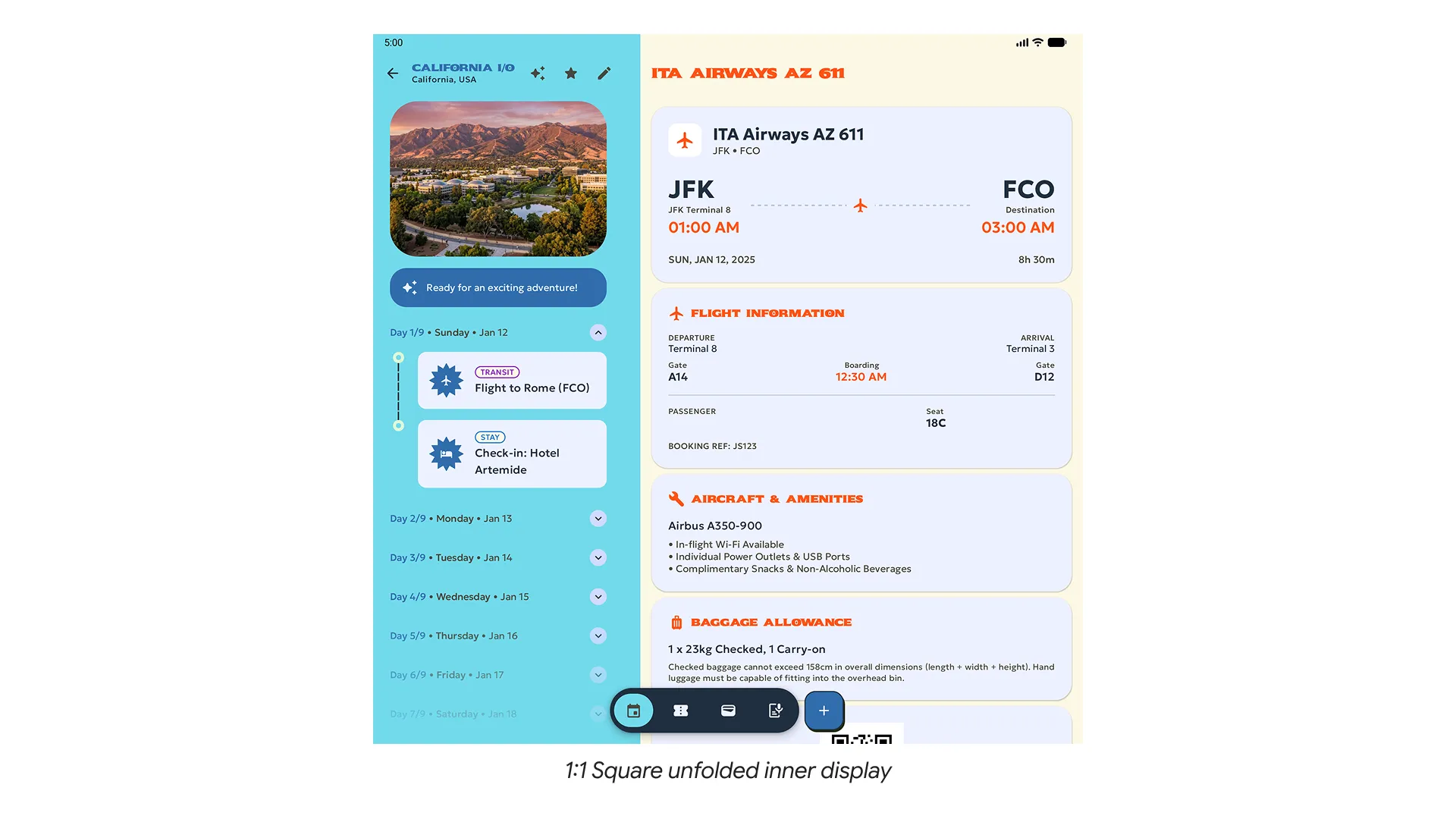
Google Play wants to show you what an Android app actually looks like on a folding phone before you hit Install. Developers can now add dedicated foldable screenshots to a Play listing, and Google says those images will begin appearing over the coming weeks. From April 2027, new apps and updates will need to include three foldable screenshots alongside the usual two images for conventional phones.
The three images aren’t just different angles of the same device. Google wants one showing an unfolded square display, another showing a roughly 4:3 unfolded display and a third showing the outside screen when the phone is folded. One screenshot can make a layout look great on a device with a particular shape. Asking for all three gives a shopper more clues about how much room the app makes use of, and how its interface looks when the phone is closed.
That distinction matters for what you actually do with a foldable. A chat app can fit a conversation and its inbox beside each other on a wide inner screen, for example, while a narrower cover screen is better suited to showing one at a time. A reader may care more about whether text reflows sensibly than whether the app adds a new panel. The store listing should give you a better idea of which experience you’re getting.
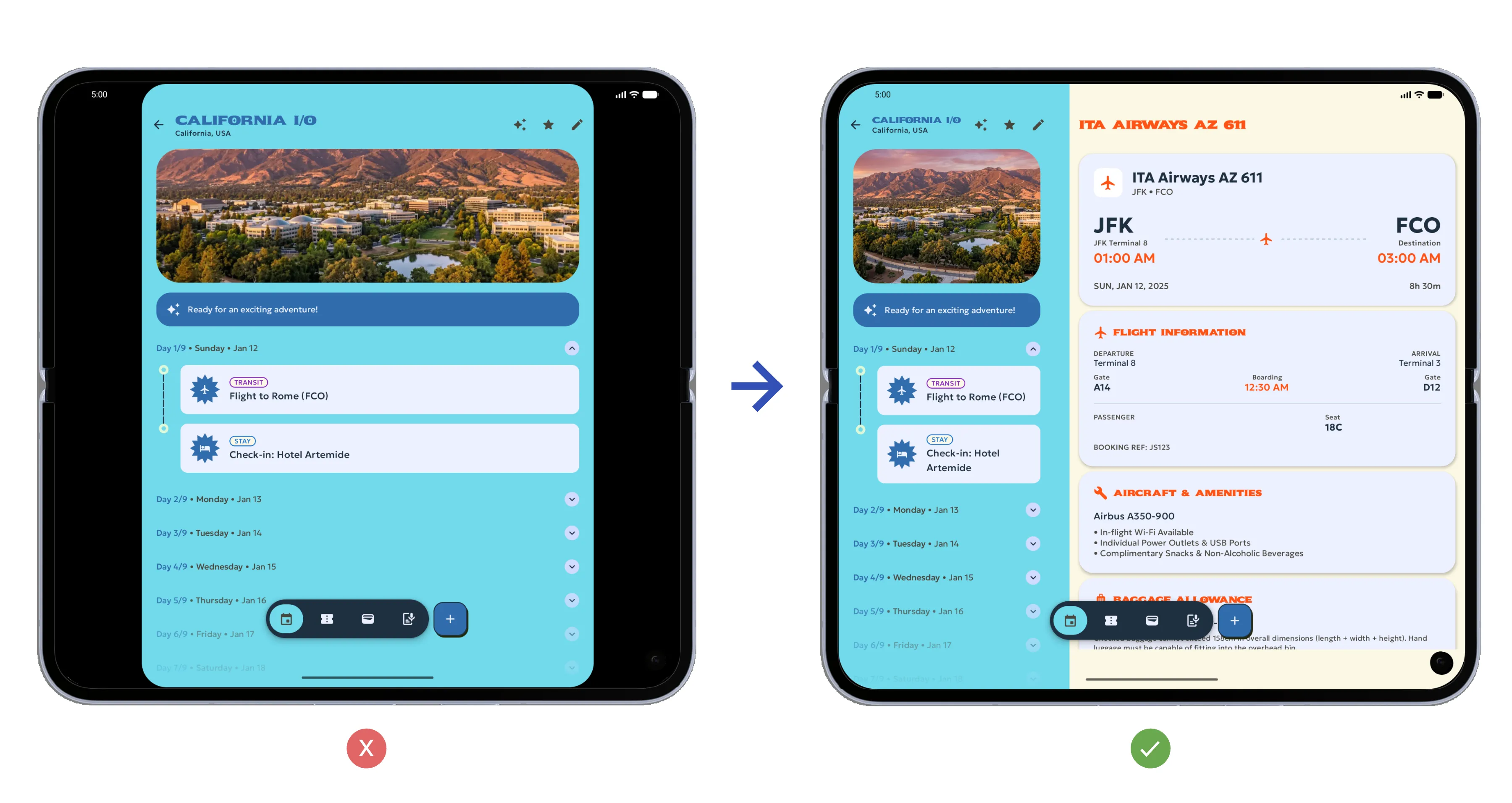
The April deadline is also about how the app behaves
Google is introducing a minimum adaptive quality standard for standard apps on foldables. At that baseline, an app needs to use the available display area instead of leaving black bars or relying on a compatibility mode. It also needs to preserve things like the text you were writing, the place you had scrolled to or the media you were playing when you fold the phone, rotate it or resize the app in a window.
Those requirements don’t mean every app will get a sophisticated two-pane redesign in April. Google puts those layouts and support for accessories such as a mouse or stylus in its higher tiers, alongside more specialised ideas like tabletop views. Developers that already meet the higher tiers can apply for badging. Existing apps that aren’t updated will remain downloadable, so you shouldn’t expect the switch to make the entire catalogue look different overnight.
Google’s Android Developers announcement gives the rollout dates and device examples. April is the key date for new submissions and updates; the separate requirement to target Android 17 for new and updated apps is scheduled for August 2027.



Letters to the editor
0 commentsNo comments yet. Be the first to write in.