
News
DeepL Aure v2 promises to halve delays in live voice translation across six languages
DeepL Voice’s new model is rolling out automatically to supported languages for meetings, conversations and voice API users.
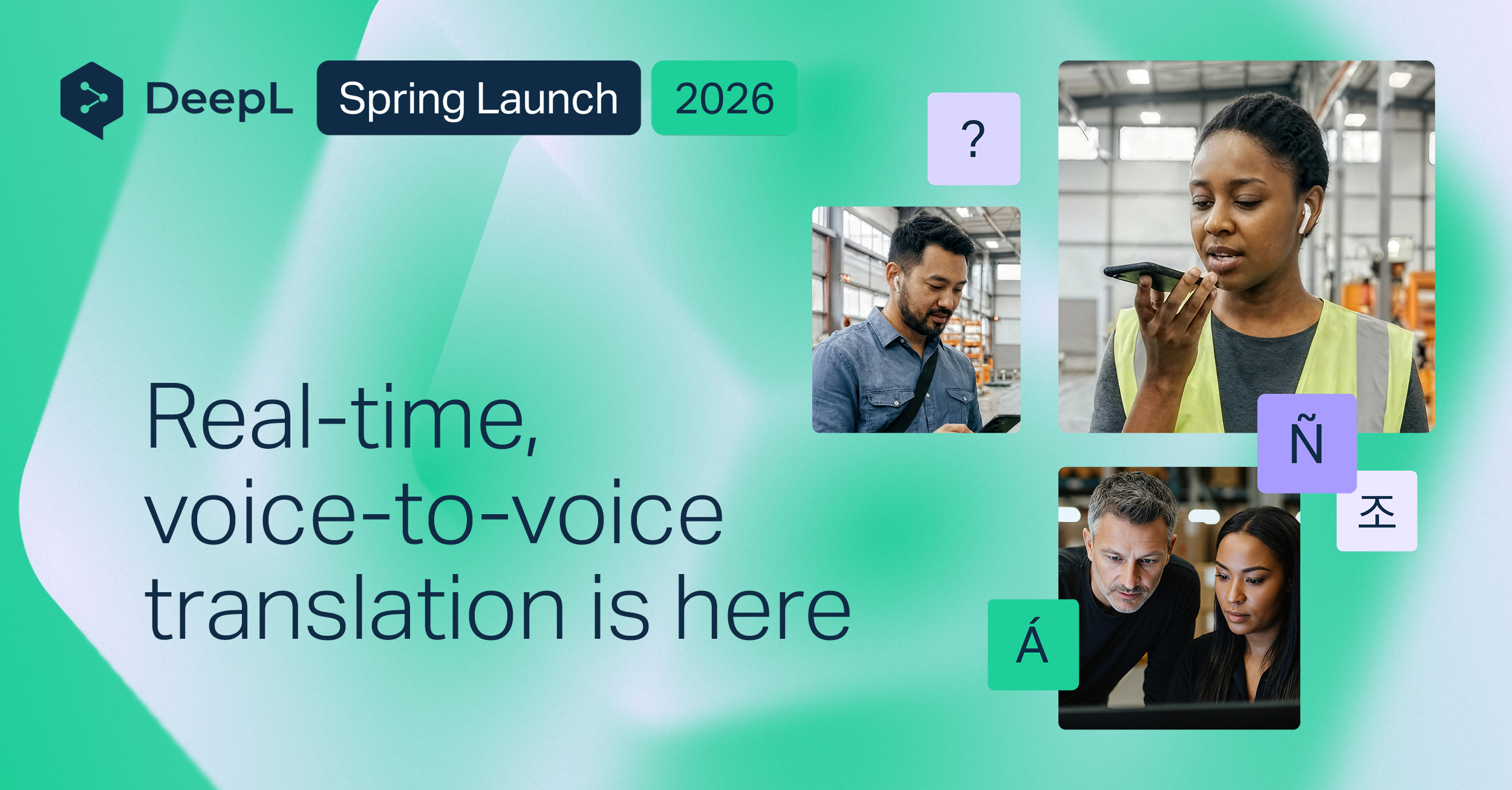
DeepL has launched Aure v2, the second generation of its real-time speech translation model, at its Unmute Summit in Tokyo on November 26. The company says the upgrade halves the median delay before translated speech begins compared with the first Aure model, which debuted earlier this month. The updated model is now available to eligible DeepL Voice customers.
Translating speech more quickly
Live translation is an unusually difficult problem because reducing the time before translated speech starts can mean sacrificing context. In an ordinary pipeline, a spoken sentence passes through transcription, text translation and speech generation. Aure v2 moves toward a single model that produces translated speech directly. DeepL says it also trained the system to decide when enough context has been heard to begin responding accurately. That distinction is particularly important for languages where significant meaning may arrive near the end of a sentence.
In its own testing across ten language pairs, DeepL reports that Aure v2 performed better in translation quality than six competing systems included in the evaluation. It claims 32% fewer translation errors for English-to-Japanese speech than Google's Gemini 3.5 Live Translate. These are internal benchmarks, not a guarantee of performance in every conversation: the test used one-minute speech recordings and public APIs without including application overhead.
Supported languages and availability
The upgrade supports English, German, French, Spanish, Japanese and Korean at launch. It is available through DeepL Voice for Online Meetings, Voice for In-Person Conversations and the company's voice API. The updated model is automatically selected for supported languages, while DeepL plans to expand coverage later.
Aure v2 is primarily designed for multilingual business communication rather than a new standalone free translation app. Faster output could make translated meetings feel less interrupted, especially when participants frequently exchange short responses. As with any live translation product, the actual usefulness will also depend on background noise, conversational complexity and network conditions. Users can consult DeepL's official Voice page for access.



Letters to the editor
0 commentsNo comments yet. Be the first to write in.